
Understanding Your Car’s Air Conditioning Compressor: The Heart of Every Efficient Cooling System
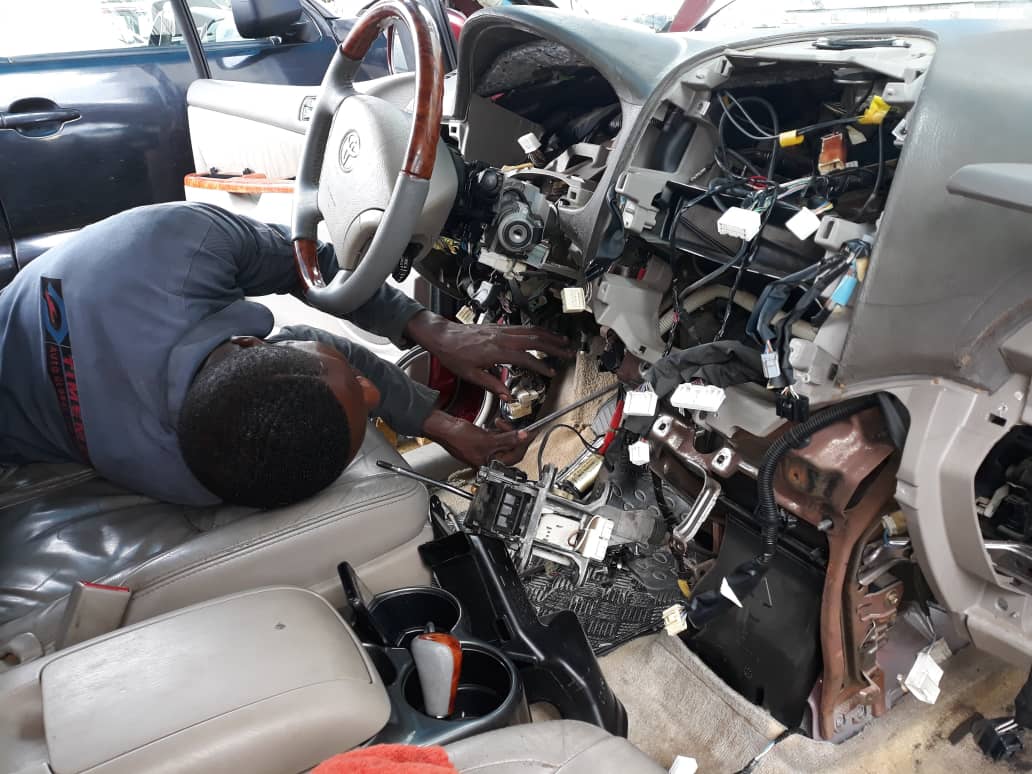
When your vehicle’s air conditioner stops cooling properly, many drivers immediately assume the system simply needs “more gas.” However, in many cases, the real problem lies deeper within the air conditioning system — particularly in the AC compressor.
The automobile air conditioning compressor is one of the most important and expensive components of your vehicle’s cooling system. Without it, your air conditioner cannot circulate refrigerant, regulate temperature, or produce cold air inside the cabin.
In Nigeria’s hot climate, where temperatures, traffic congestion, and long-distance travel place enormous pressure on vehicle cooling systems, understanding the role of the AC compressor can help drivers prevent expensive breakdowns and maintain long-term vehicle comfort.
At Timemo Auto Global, we regularly help vehicle owners diagnose compressor-related issues before they escalate into major system failures.
What Exactly Is an Automobile Air Conditioning Compressor?
The air conditioning compressor is often described as the “heart” of the refrigeration system — and for good reason.
Its primary function is to:
- Compress refrigerant gas
- Circulate refrigerant throughout the AC system
- Maintain pressure needed for cooling
- Enable heat exchange inside the condenser and evaporator
The compressor is powered directly by the vehicle’s engine, usually through a belt-driven system connected to the engine pulley.
When the air conditioner is switched on, the compressor begins compressing low-pressure refrigerant gas into high-pressure gas before sending it to the condenser, where heat is released and cooling begins.
Without the compressor, the entire air conditioning system becomes ineffective.
Why the Compressor Is So Important in Nigeria’s Climate
In countries with moderate temperatures, vehicle air conditioning systems may not operate continuously. But in Nigeria, especially in cities like Lagos, Abuja, Port Harcourt, Kano, and Uyo, drivers often rely on their AC systems daily.
Heavy traffic, high temperatures, dusty roads, and extended engine idling place constant pressure on the compressor.
For business executives, commercial drivers, fleet operators, and families, a failing compressor can mean:
- Discomfort during travel
- Reduced concentration while driving
- Delayed appointments
- Passenger dissatisfaction
- Increased fuel consumption
- Expensive emergency repairs
This is why preventive servicing is essential.
Signs Your Car’s AC Compressor May Be Failing
One of the biggest mistakes vehicle owners make is ignoring early warning signs. Compressor problems usually develop gradually before complete system failure occurs.
Below are some of the most common symptoms of a failing automobile AC compressor.
1. Unusual Noise from the AC System
One of the earliest warning signs is strange noise when the air conditioner is switched on.
Drivers may notice:
- Grinding sounds
- Rattling noise
- Squealing sounds
- Metallic knocking
- Clicking noises
These sounds often indicate internal wear, damaged bearings, loose components, or insufficient lubrication inside the compressor.
Ignoring these noises can lead to complete compressor seizure.
2. Poor Cooling Performance
When the compressor begins to weaken, cooling efficiency drops noticeably.
Common signs include:
- Air no longer feels cold enough
- Cabin takes too long to cool
- Cooling fluctuates during driving
- AC performs poorly during traffic
- Warm air blows intermittently
This occurs because the compressor can no longer maintain proper refrigerant pressure throughout the system.
3. Complete Failure of the Air Conditioning System
In severe cases, the compressor may stop functioning entirely.
At this stage:
- The AC may blow only hot air
- The compressor clutch may fail to engage
- Refrigerant circulation stops completely
- The system may shut down automatically
Unfortunately, complete compressor failure often results in higher repair costs, especially if metal debris contaminates other AC components.
Common Causes of Automobile AC Compressor Failure
Understanding what damages compressors can help vehicle owners avoid unnecessary repairs.
Insufficient Compressor Oil
Like an engine, the AC compressor depends on proper lubrication to reduce friction and internal wear.
Low oil levels can cause:
- Overheating
- Internal friction
- Bearing failure
- Compressor seizure
Improper servicing practices or refrigerant leaks often reduce oil circulation inside the system.
Bearing Damage
The compressor pulley and internal components rely heavily on bearings for smooth operation.
Over time, bearings can wear out due to:
- Age
- Poor lubrication
- Excessive heat
- Continuous heavy use
Damaged bearings usually produce noticeable noise before failure occurs.
Refrigerant Leaks
Leaks are among the most common causes of compressor damage.
When refrigerant escapes:
- System pressure drops
- Lubrication becomes insufficient
- Compressor workload increases
- Internal temperatures rise
If left unresolved, prolonged operation under low refrigerant conditions can permanently damage the compressor.
Moisture Contamination
Moisture is extremely harmful to air conditioning systems.
Water entering the AC system can cause:
- Internal corrosion
- Acid formation
- Ice blockages
- Damage to valves and moving components
Moisture contamination often occurs during improper servicing or when damaged seals allow air into the system.
Why Cheap “Gas Refill” Services Can Damage Your Compressor
Many roadside AC technicians focus only on adding refrigerant gas without performing proper diagnostics.
Unfortunately, this approach can create more serious problems.
Simply refilling refrigerant without identifying underlying issues may:
- Overload the compressor
- Increase system pressure dangerously
- Introduce contaminants
- Hide refrigerant leaks temporarily
- Accelerate compressor wear
Professional servicing should always include:
- Leak testing
- Pressure checks
- Oil inspection
- Refrigerant recovery
- System diagnostics
At Timemo Auto Global, we prioritize complete system evaluation rather than temporary fixes.
How to Extend the Life of Your AC Compressor
The good news is that compressors can last many years when properly maintained.
Here are some practical maintenance tips:
- Service the AC System Regularly: Routine maintenance helps identify developing issues early.
- Run the Air Conditioner Frequently: Even during cooler weather, occasional AC use helps maintain internal lubrication.
- Fix Refrigerant Leaks Immediately: Never continue operating the AC when cooling performance drops significantly.
- Replace Cabin Filters: Blocked airflow forces the system to work harder.
- Avoid Low-Quality Refrigerants: Poor-quality refrigerant products can damage sensitive components.
- Use Professional Technicians: Modern AC systems require specialized tools and proper handling procedures.
Why Preventive Maintenance Saves Money
Many compressor failures begin as small issues that could have been corrected inexpensively during routine servicing.
Unfortunately, delayed maintenance can result in:
- Compressor replacement
- Condenser flushing
- Expansion valve replacement
- Hose replacement
- System contamination cleanup
These repairs are significantly more expensive than preventive maintenance.
For business professionals and vehicle owners who rely heavily on their cars daily, prevention is always the smarter investment.
Final Thoughts
Your vehicle’s air conditioning compressor is one of the most critical components responsible for cabin comfort and cooling efficiency. In Nigeria’s demanding driving conditions, regular maintenance and early diagnosis are essential for avoiding expensive breakdowns and maintaining reliable vehicle performance.
If you notice unusual AC noises, weak cooling, or inconsistent performance, it is important to seek professional inspection before the problem worsens.
At Timemo Auto Global, we provide professional automobile air conditioning diagnostics, compressor inspection, refrigerant servicing, and complete cooling system maintenance designed to keep your vehicle operating comfortably and efficiently all year round.
A properly maintained compressor does not only improve comfort — it protects your entire air conditioning system and helps preserve the long-term value of your vehicle.